
Site Logo
Talk to Our Experts
AI Video Intelligence · Office Security System

Warehouse Security Camera Systems That Actually Prevent Loss

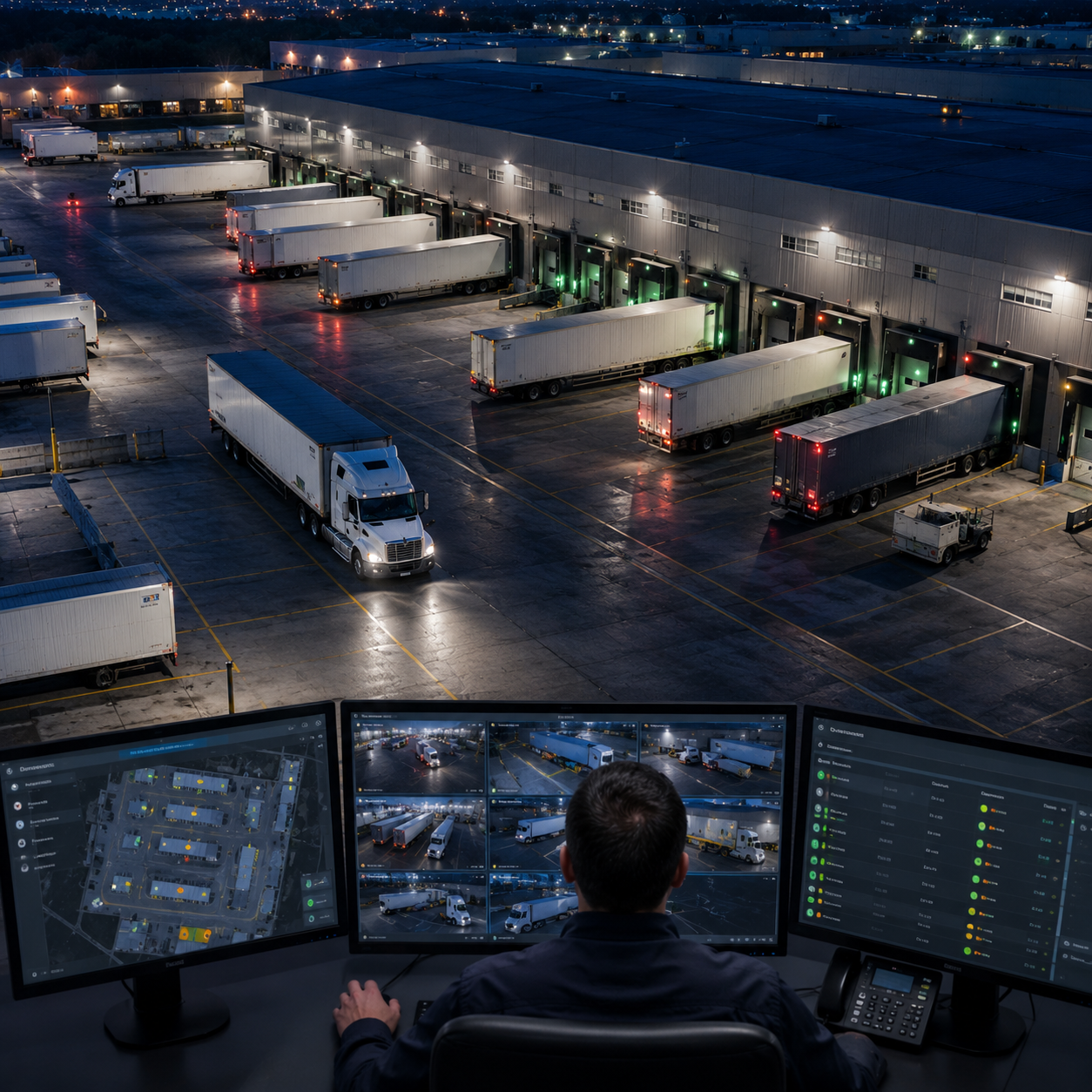
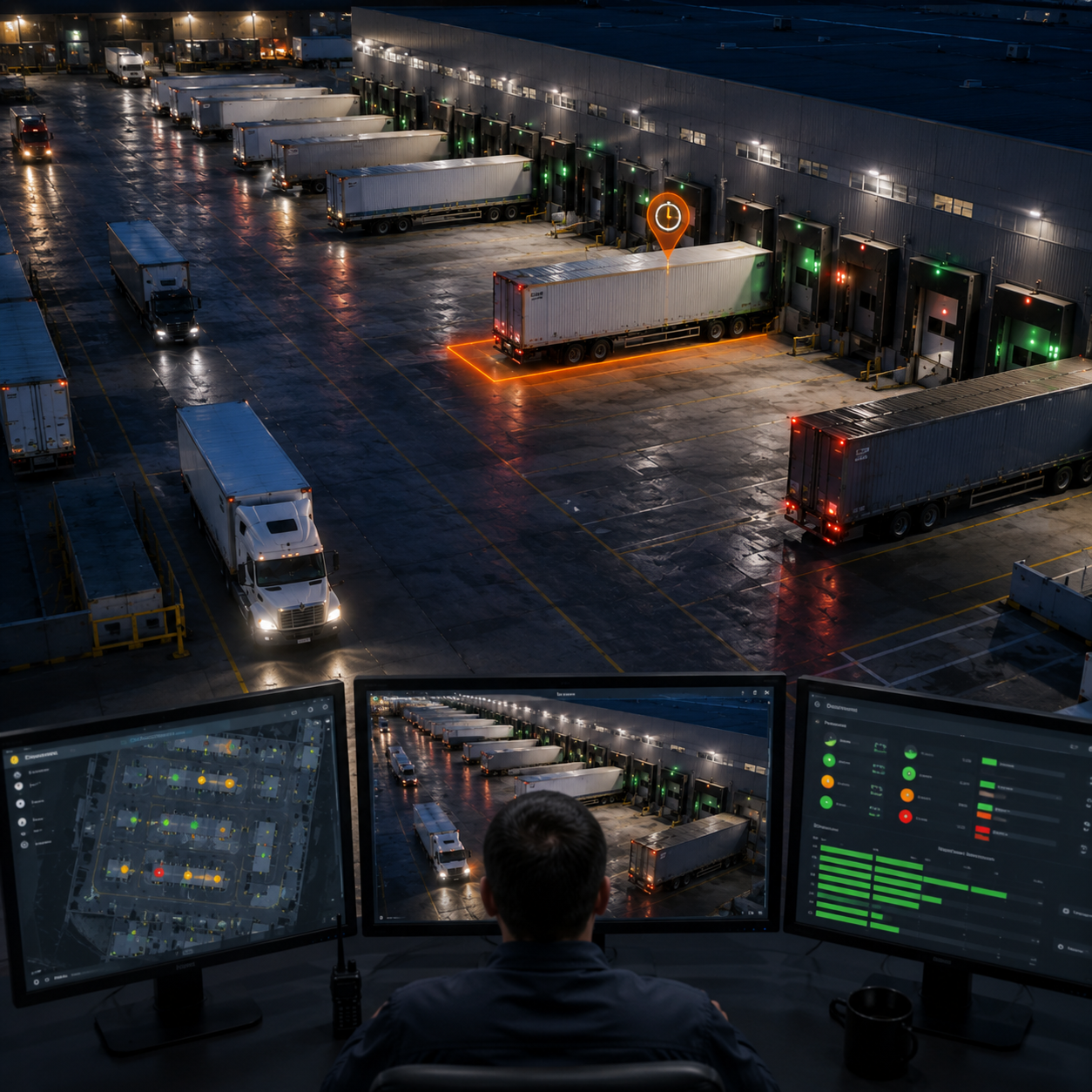
Easycomm turns your existing cameras into a live safety and loss-prevention team. It watches every aisle, dock door, and yard lane in real time, and pushes an alert the second something's wrong - a forklift too close to a picker, a door propped open after hours, a trailer sitting on a dock for two hours nobody's tracking.

The Problem

Why Warehouses Can't Run on Passive Cameras Anymore

Warehousing runs on speed. That's exactly why it's also where things go wrong fastest - a forklift blind spot, an open bay, a trailer nobody logged. Here's what's actually costing operators money and safety incidents right now.

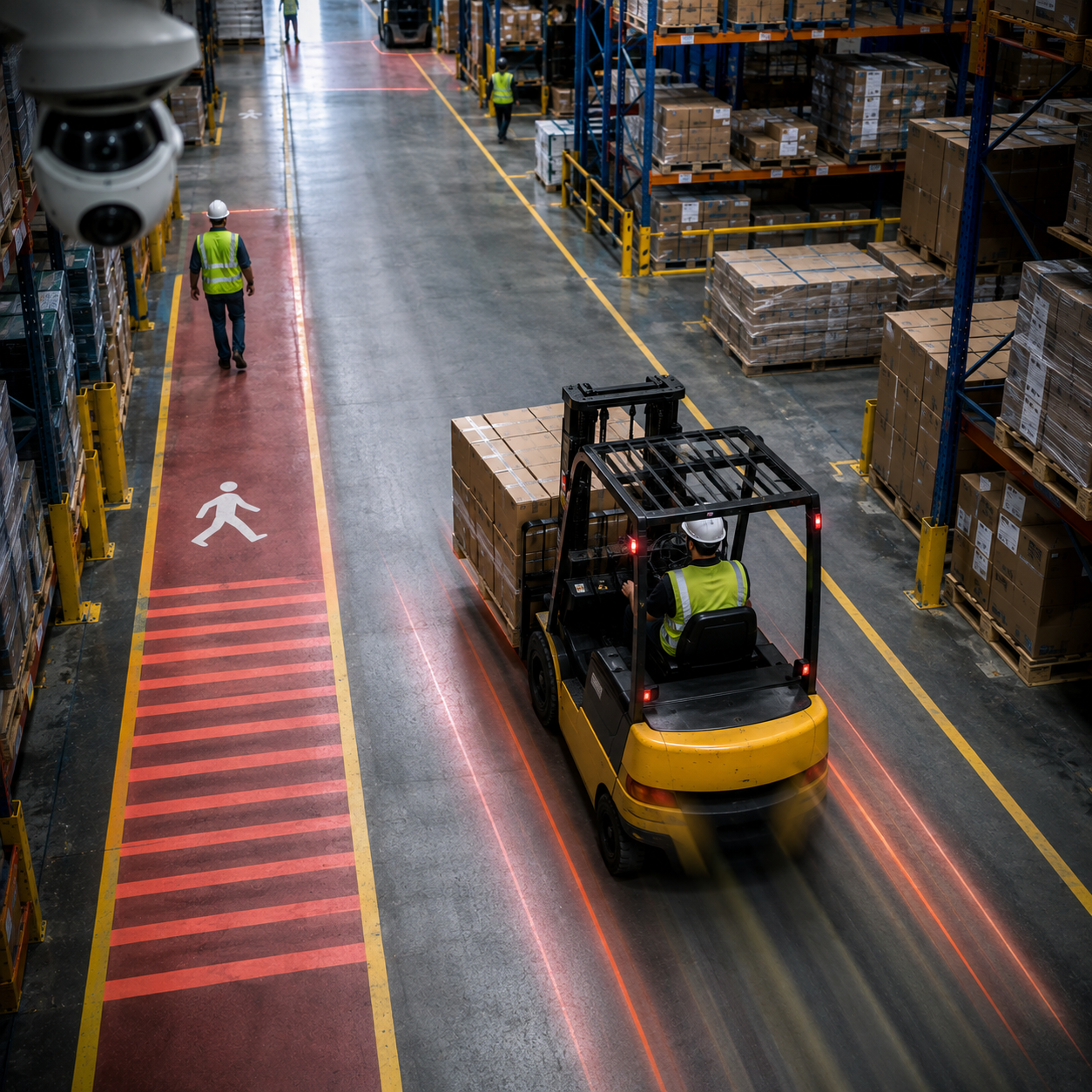
Forklift and pedestrian accidents are more common than you think

OSHA estimates roughly 85 to 100 forklift-related fatalities and 34,900+ serious injuries every year in the US - and warehouses account for about 70% of all forklift-pedestrian accidents. Pedestrians make up only 20% of forklift accidents but 36% of the fatalities.

The kicker: most near-misses never get reported. Industry data puts 81% of forklift near-misses as pedestrian-proximity events - a picker stepping into a blind aisle, a forklift reversing without a clear line of sight. Nobody logs those until someone gets hurt.

A warehouse security camera network that can't tell you how close was too close is just recording the accident, not preventing it.
Theft and unauthorized movement bleed margin quietly

Global inventory shrinkage hit an estimated $52 billion in 2025, with theft responsible for roughly 36% of that loss. Warehouse burglaries alone rose sharply in recent years, averaging around $150,000 per incident when they happen.

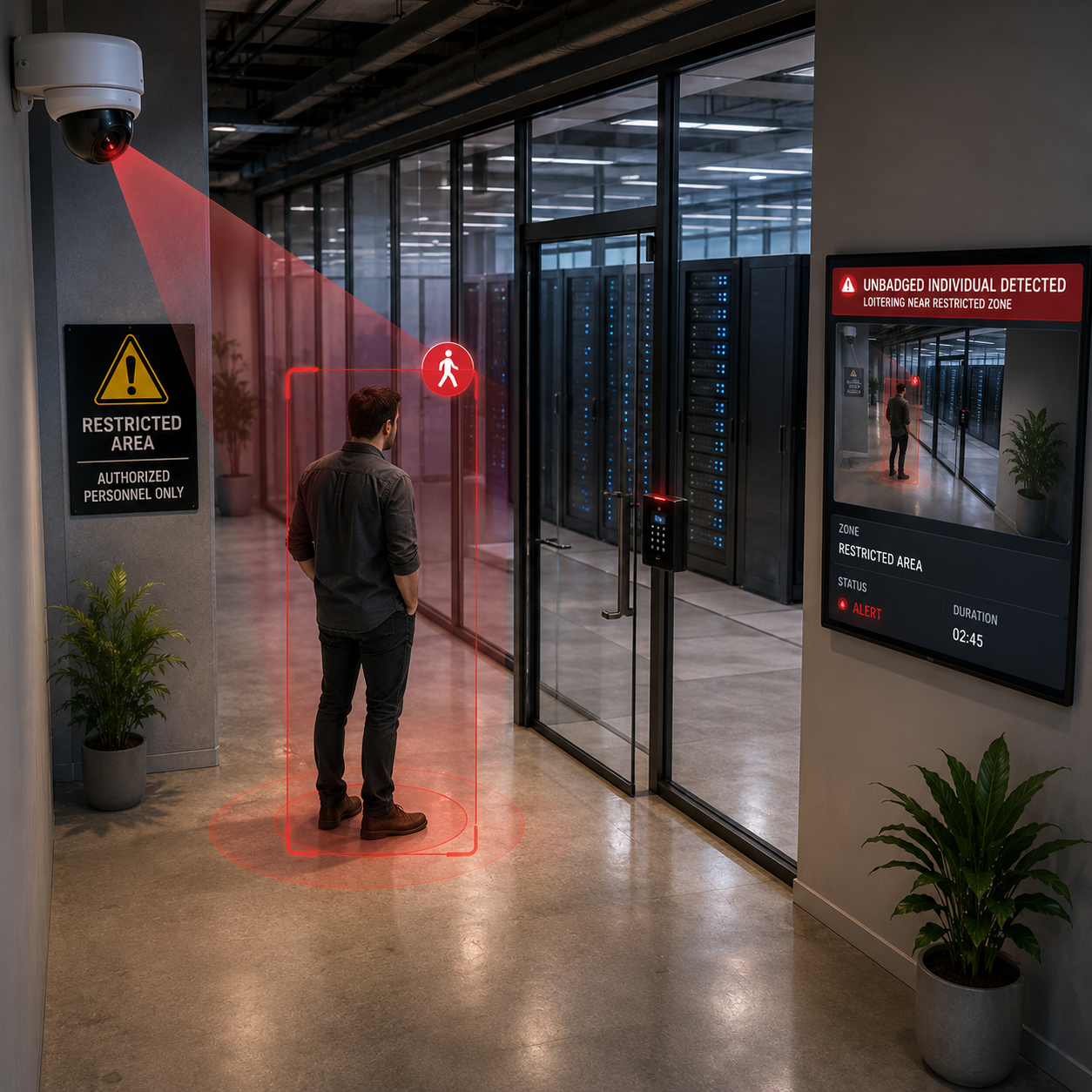
It's not always a break-in. It's a staff member walking product out the side door. It's an unbadged visitor lingering by high-value racking. It's a trailer leaving the yard without a matching manifest. Standard CCTV catches the footage - after the pallet's already gone.

Yard and dock chaos eats hours every single day

Yard congestion costs US businesses an estimated $75 billion a year, and drivers waste around 1.8 hours a day waiting on inefficient dock and yard handoffs. When yard capacity creeps past 80-85% occupancy, turnaround times slow, rehandles pile up, and detention fees start stacking.

Facilities that put real-time visibility on the yard cut truck turnaround time by up to 25% and lift dock throughput by 18%. Most warehouses are still tracking trailers on a clipboard or a radio call.

What We Build

How Easycomm Works on Your Warehouse Floor

One platform, three jobs your cameras were never built to do on their own.

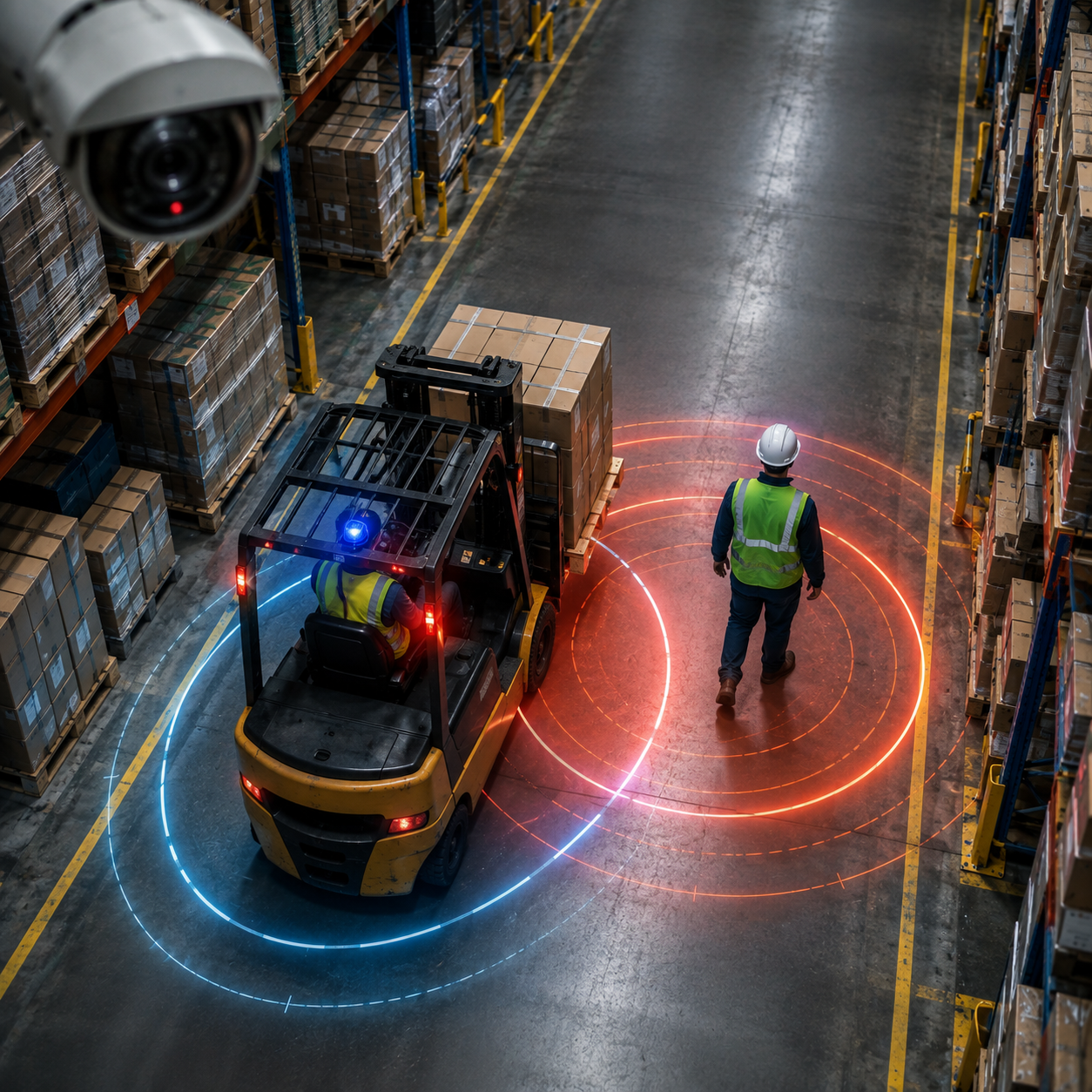
Proximity alerts in real time

Proximity alerts in real time

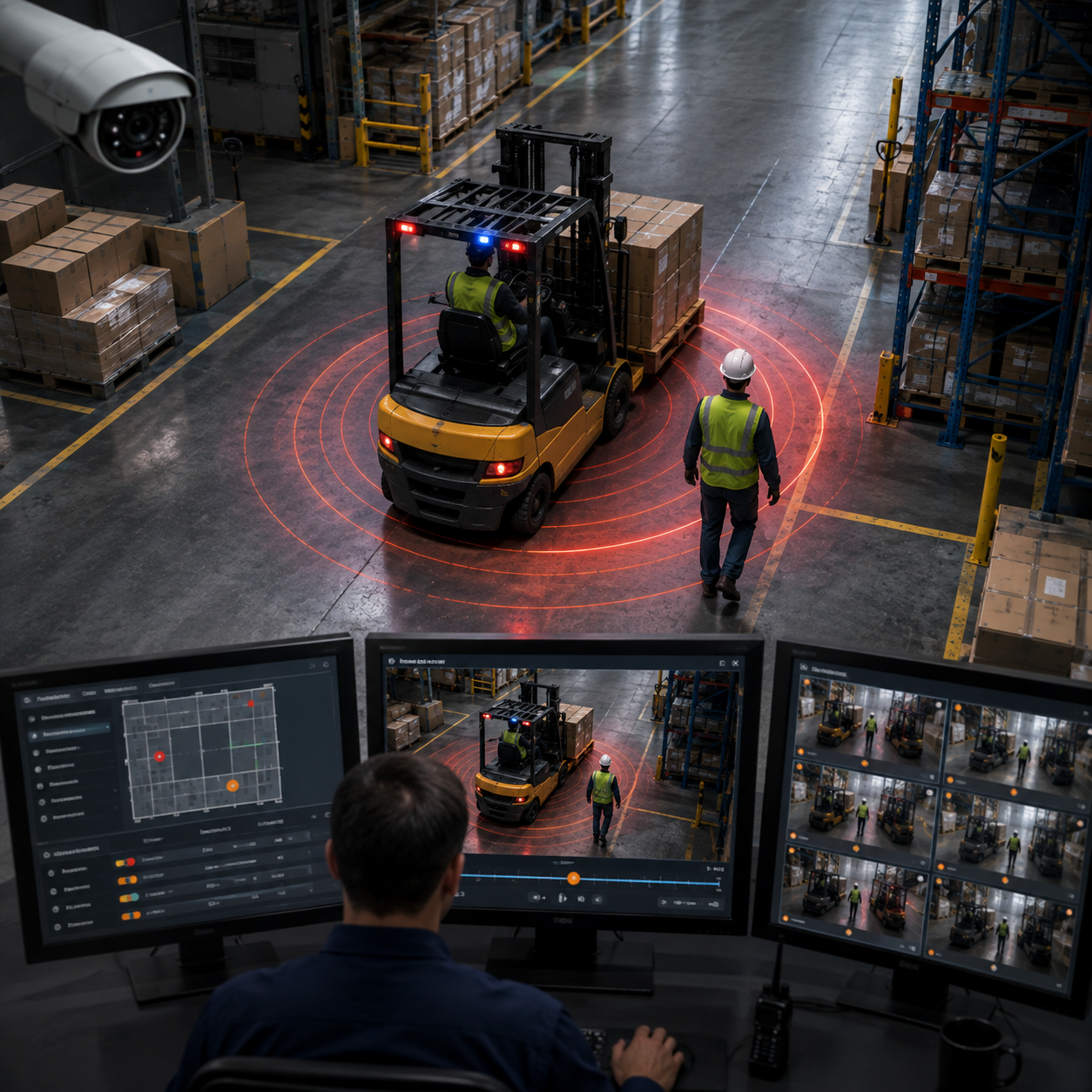
The moment a forklift and a person cross a safe-distance threshold, dispatch gets a clip and a location, not a shift-end report.

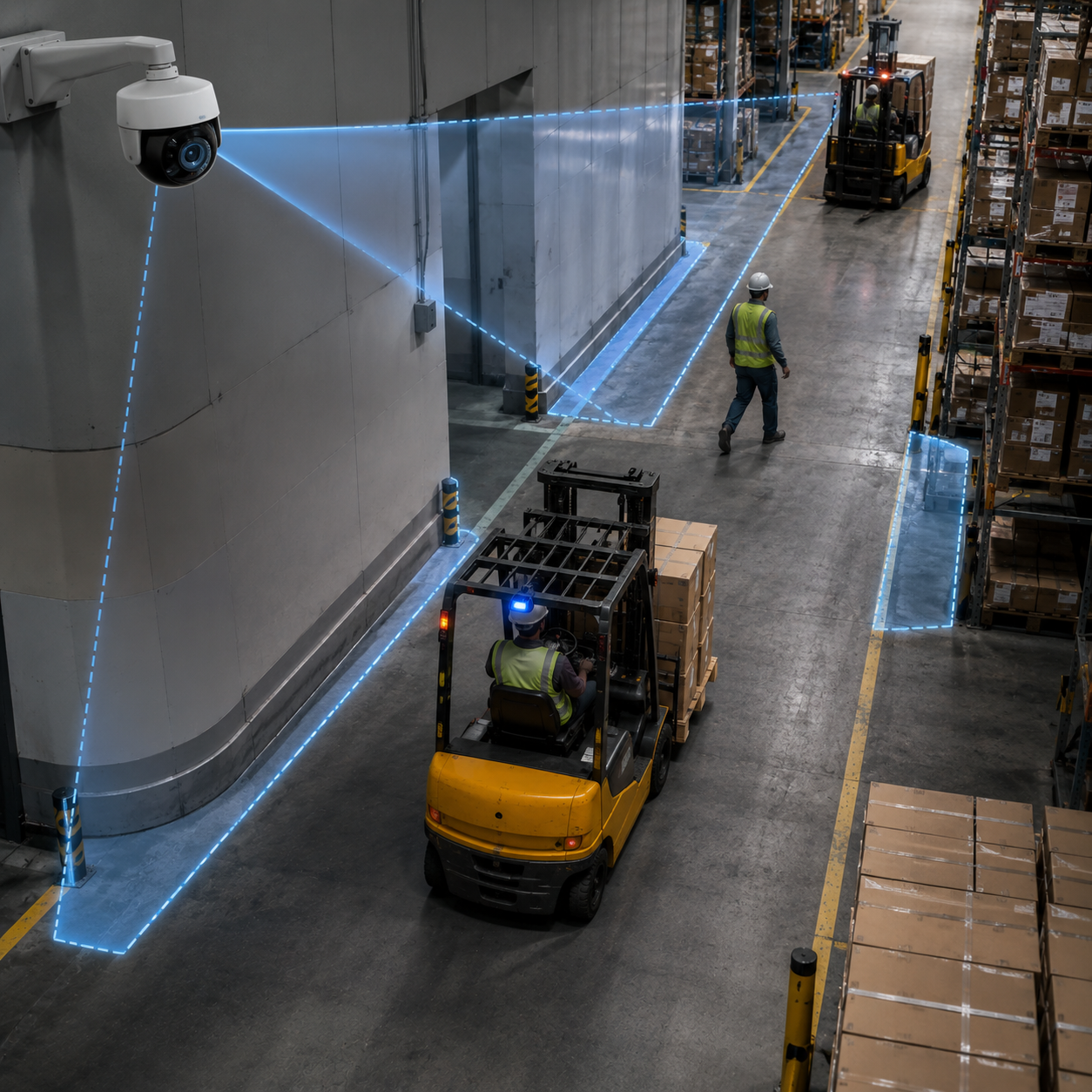
Blind-spot coverage

Blind-spot coverage

Intersections, blind aisles, and dock ramps get virtual zones the AI never stops watching.

Speed and zone violations

Speed and zone violations

Flags forklifts moving too fast through pedestrian lanes or pallet-staging areas.

Near-miss logging, automatically

Near-miss logging, automatically

Every close call gets a timestamped record, so your safety team finally sees the incidents that never made it into a report.

Intrusion and line-crossing

Intrusion and line-crossing

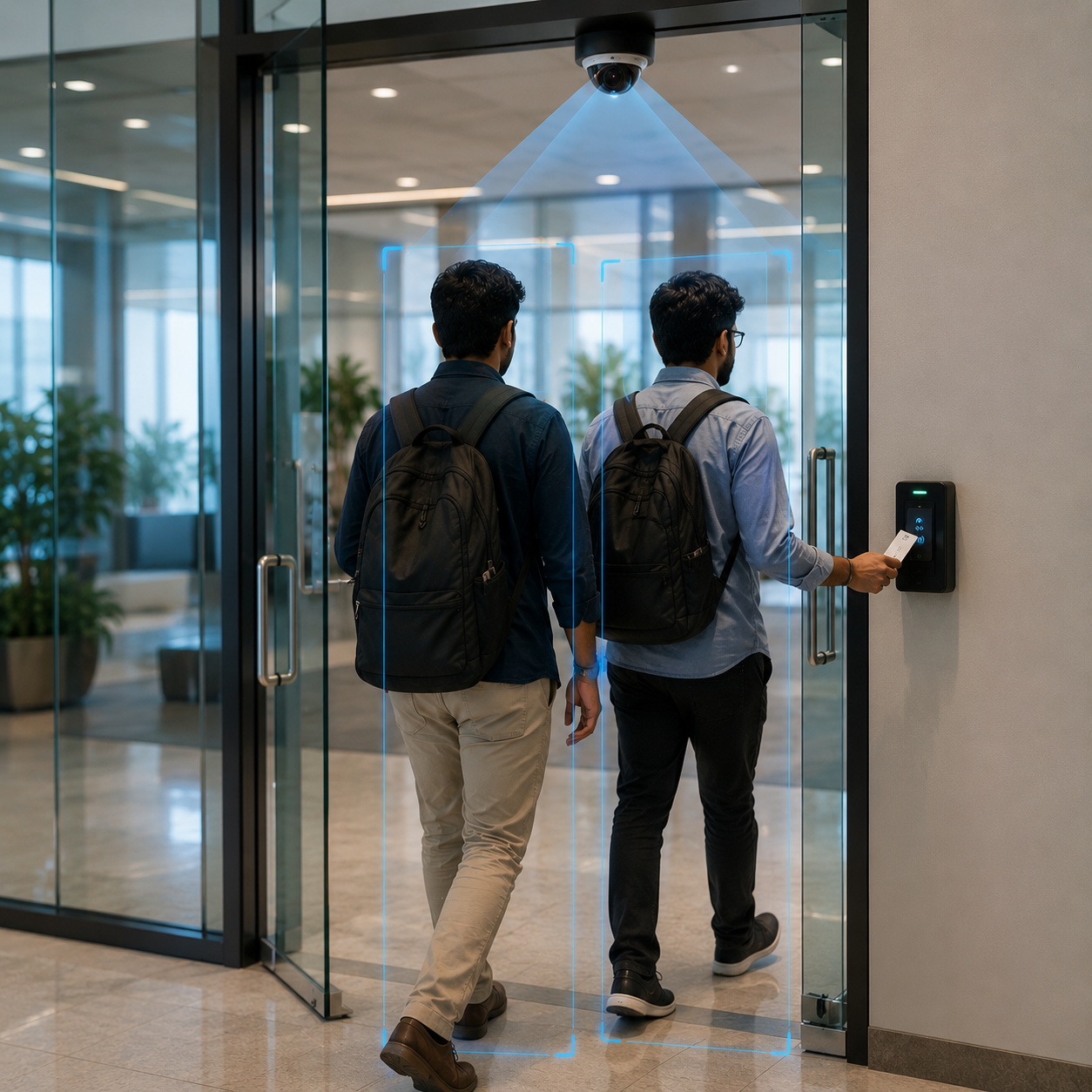
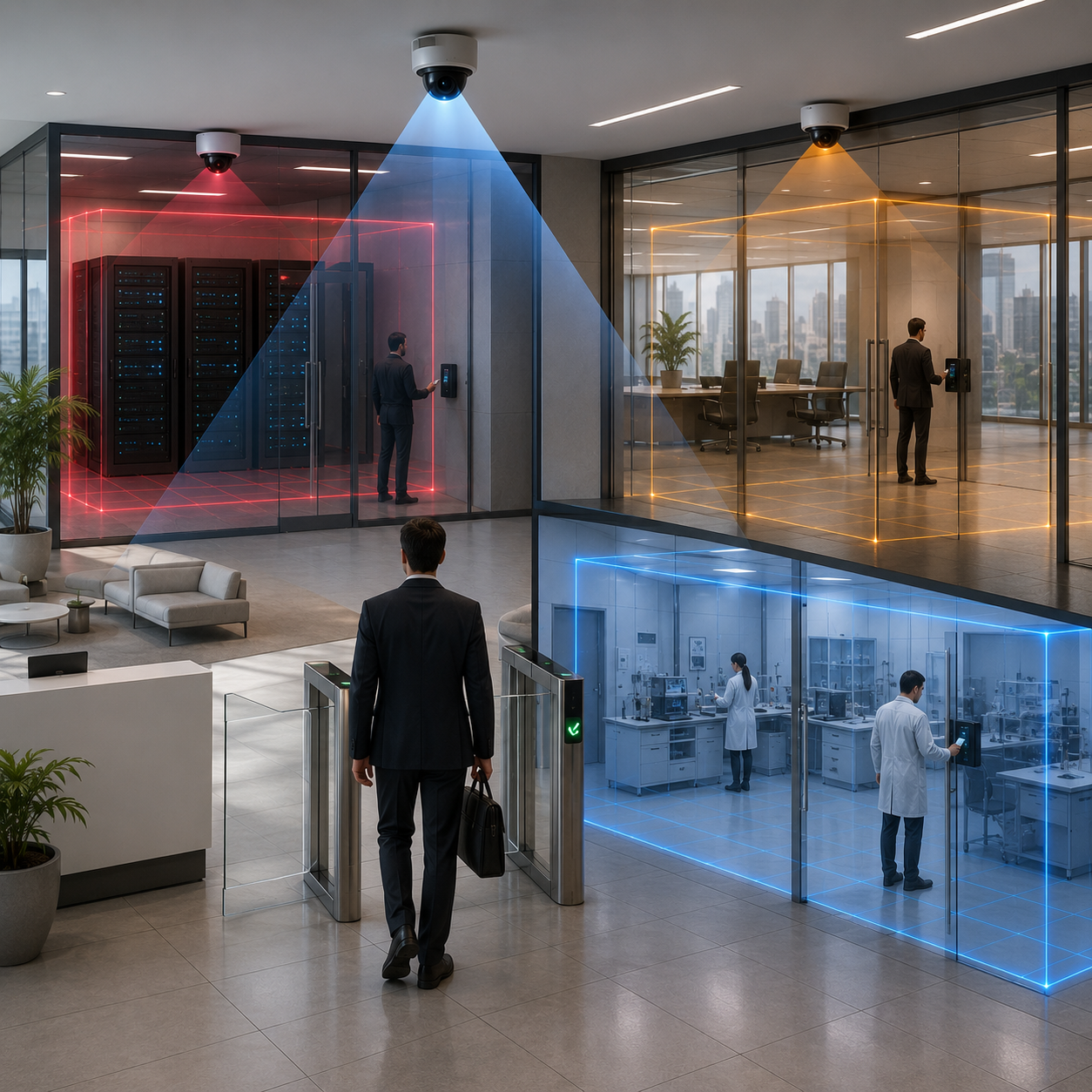
draw a virtual perimeter around high-value SKUs, cages, or after-hours entry points and get notified the instant it's crossed.

Loitering detection

Loitering detection

Flags anyone lingering near restricted stock longer than they should, before product moves.

Appearance search

Appearance search

Find the guy in the grey hoodie near bay 12" across every camera on-site, in seconds.

License plate recognition

License plate recognition

Matches trailers and personal vehicles against an approved list; flags anything that isn't.

Live trailer and vehicle tracking

Live trailer and vehicle tracking

know exactly which dock every trailer is at, how long it's been there, and what's next in the queue.

Dwell-time alerts

Dwell-time alerts

get flagged automatically when a trailer overstays its slot, before detention fees start ticking.

Occupancy and traffic counting

Occupancy and traffic counting

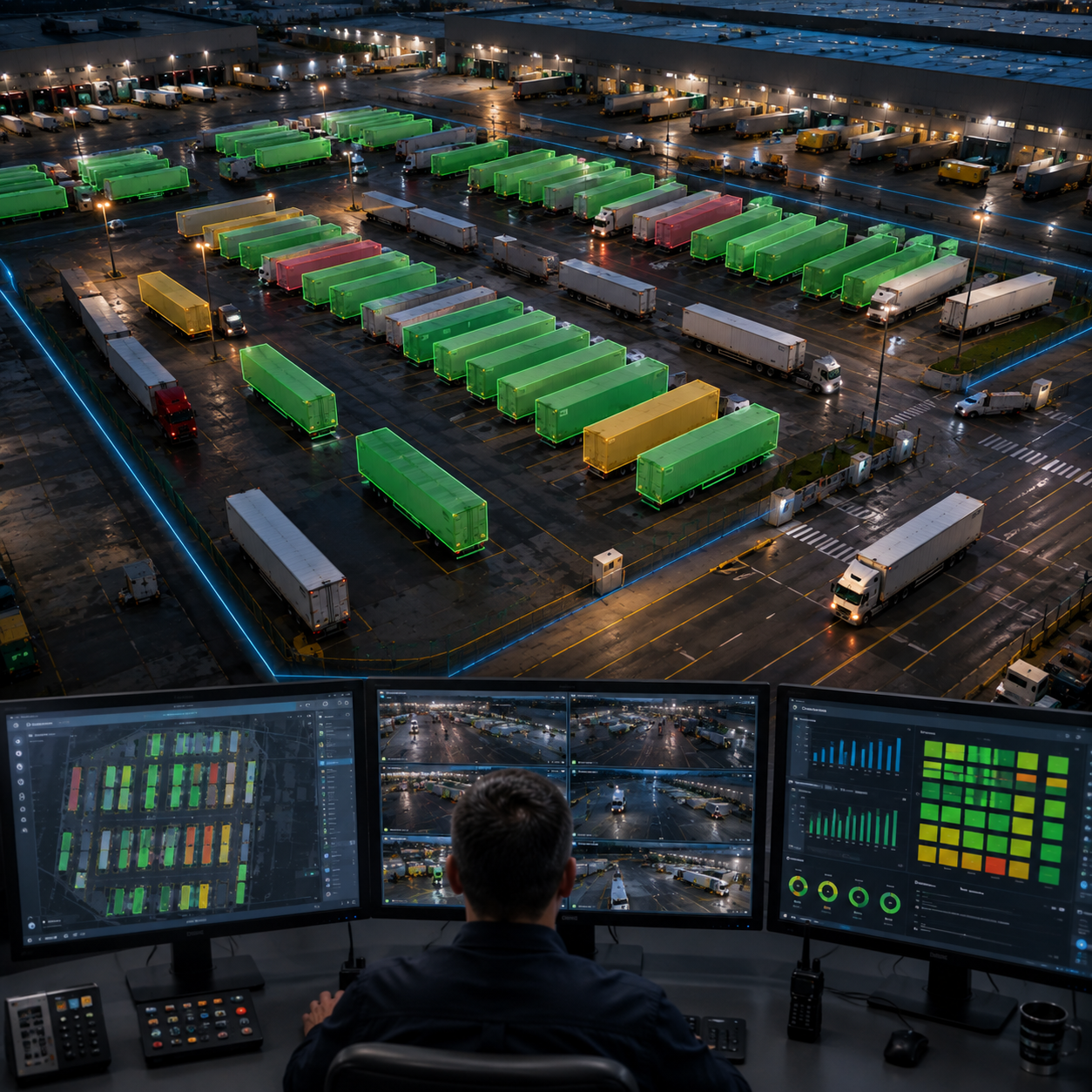
real-time yard capacity so dispatch isn't guessing when it's safe to send the next truck in.

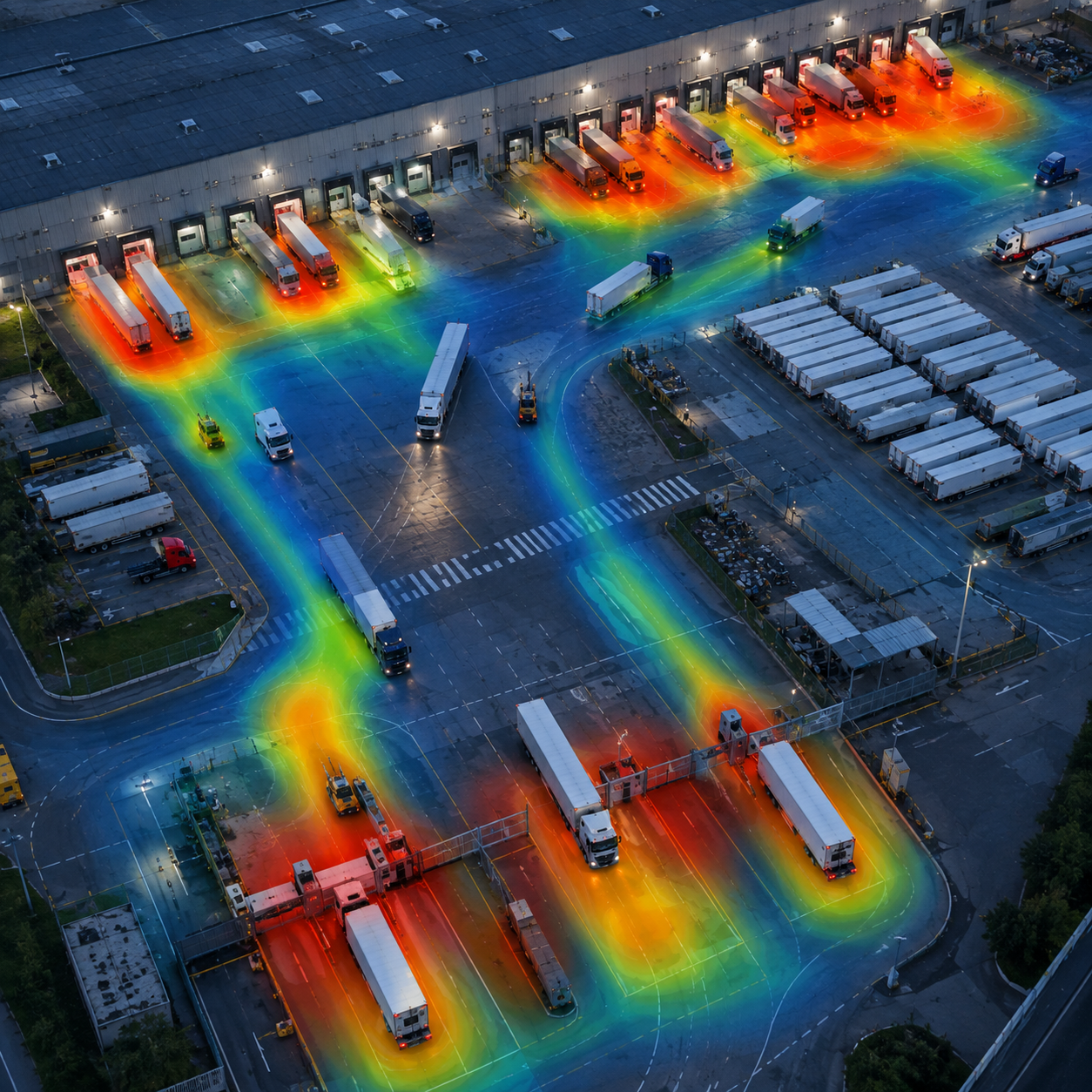
Bottleneck heatmaps

Bottleneck heatmaps

see which gates, lanes, or dock doors are choking flow, backed by data instead of a gut feeling.

Why Easycomm

Runs On the Cameras Already Bolted to Your Racking

No forklift fleet upgrade. No forced camera swap. Easycomm's AI layer works with what's already installed across your DC.

ONVIF-compatible IP cameras 

Most systems installed in the last decade already qualify.

Existing NVRs & VMS & VMS

We layer on top of your current stack, we don't rip it out.

Analog-to-IP bridges

Legacy dock cameras get bridged in via encoders, no re-cabling required.

Cloud, on-prem, or hybrid  

Your infrastructure, your call, including sites with no reliable fiber.

Multi-brand support 

Hikvision, Dahua, Axis, Hanwha, and dozens more, no vendor lock-in.

Low-bandwidth mode

built for the rural distribution centers and remote yards that don't have enterprise internet.

Real Results · Precision Auto Parts

Regional 3PL Cuts Forklift Near-Misses by 74% in 90 Days

Meridian Freight & Fulfillment runs a 380,000 sq ft distribution center outside Columbus, Ohio, moving upward of 1,200 pallets a day across 14 dock doors and a yard that holds up to 40 trailers at once. Before Easycomm, near-misses were tracked by whoever happened to file an incident report. Trailer dwell time was a radio call and a whiteboard.

74% reduction

in logged forklift-pedestrian near-misses (from 31/month to 8/month)

41% drop

in average trailer dwell time in the yard

19 unauthorized zone entries

flagged and stopped before product left the building

Zero

new camera hardware purchased

We went from finding out about a near-miss when someone finally filed a report to seeing it happen on a dashboard in real time, their DC operations director told us. That's the difference between a safety program on paper and one that actually works.

Frequently Asked Questions
Book a consultation

Ready to Build Something That Actually Ships?

Book a Free Consultation →
Almost certainly, yes. Easycomm works with any ONVIF-compliant IP camera and supports major brands including Hikvision, Dahua, Axis, and Hanwha. Analog dock and yard cameras can be bridged in via encoders - most warehouses never need to buy new hardware.
Single-site warehouse deployments typically go live in 5 to 10 business days from the initial site survey. Multi-site networks (10+ facilities or yards) usually run 3-6 weeks depending on network readiness and how many dock and yard zones need configuring.
Yes. Easycomm connects via open REST APIs and webhooks to most major warehouse management (WMS) and yard management systems, plus dispatch, access control, and alerting tools - so near-miss alerts and trailer-dwell data land in the systems your team already uses.
Yes. Easycomm includes a low-bandwidth mode built specifically for rural distribution centers and remote yards without enterprise fiber, plus on-prem and hybrid deployment options so processing doesn't depend on a stable cloud connection.
Yes - that's the core of the AI calibration step. During onboarding, we tune detection zones and proximity thresholds to your site's actual traffic patterns, so a forklift routinely passing a marked pedestrian lane at a safe distance doesn't trigger false alarms, but a genuine close call does.

Stop Reviewing Yard Footage. Start Preventing Incidents.

Every shift without real video analytics for warehousing is another shift where a near-miss goes unlogged, a trailer sits idle, or product walks out a side door. See exactly how Easycomm's warehouse security camera analytics fit your dock doors, your yard, and your existing cameras - with a live walkthrough on real footage, not a sales deck.

Book a Free Demo Talk to Our Team
Scroll to Top