
Site Logo
Talk to Our Experts
AI Video Intelligence · Smart City Infrastructure

Smart City Infrastructure That Sees Trouble Before It Spreads

Easycomm turns your existing camera network into a live, AI-powered nervous system for the city - spotting a crowd crush before it turns into a stampede, catching a red-light runner before someone gets hurt, and putting every site, every alert, and every operator on one screen.

The Problem

Why Cities Can't Run on Passive Cameras Anymore

Municipal control rooms are stretched thin: more cameras, more intersections, more events, the same headcount. Reviewing footage after something's already gone wrong isn't oversight - it's damage control. Here's where that breaks down hardest.

Congestion and crowds build up faster than anyone's watching

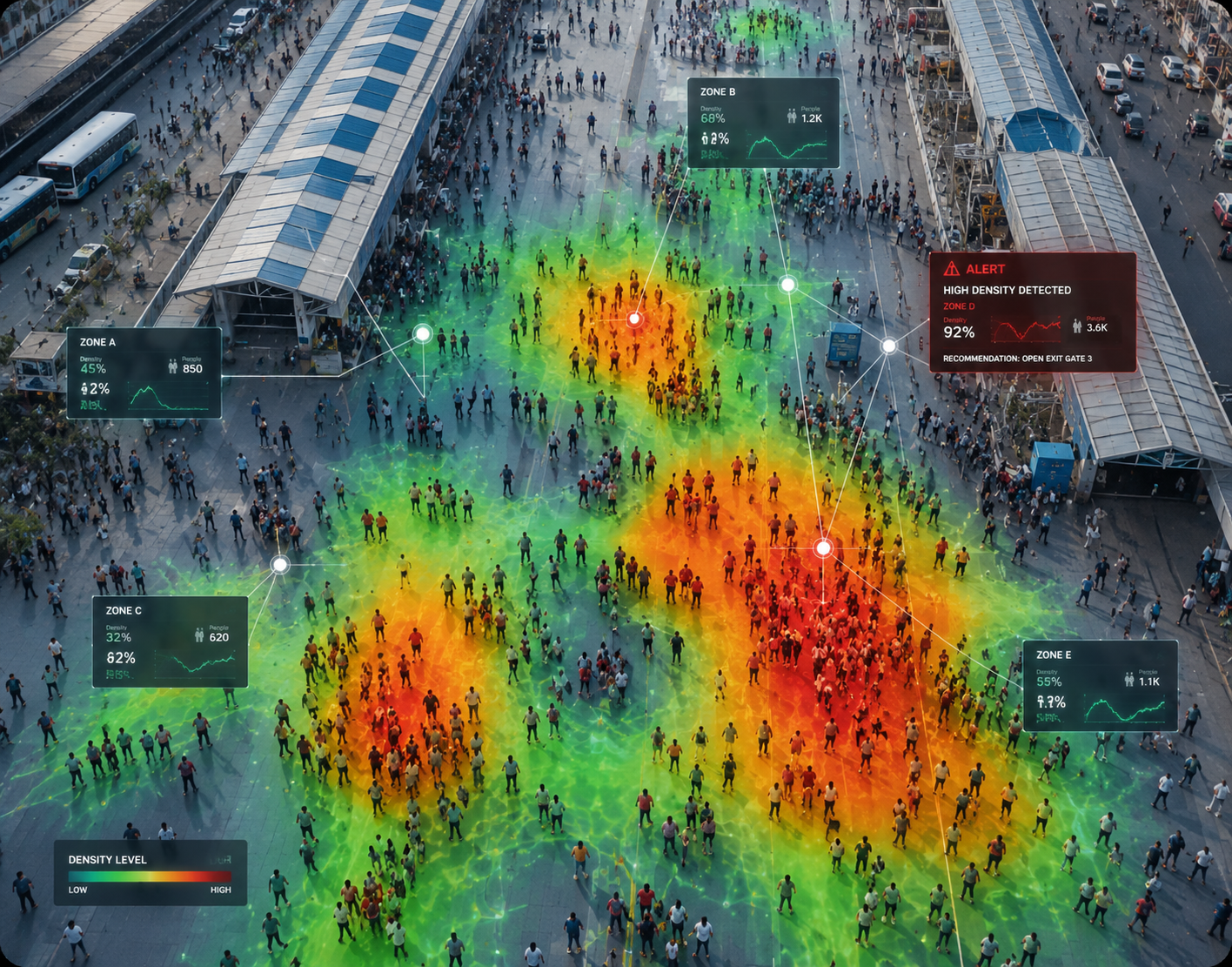
A festival crowd doesn't turn dangerous in an hour - it turns dangerous in 90 seconds, once density crosses a threshold nobody's tracking in real time. Same story on the roads: a stalled truck at rush hour cascades into gridlock across six blocks before a human operator even notices the first backup. Cities need AI surveillance for smart cities that reads density and flow continuously, not a duty officer scanning 40 monitors between coffee breaks.
Violations get discovered, not detected

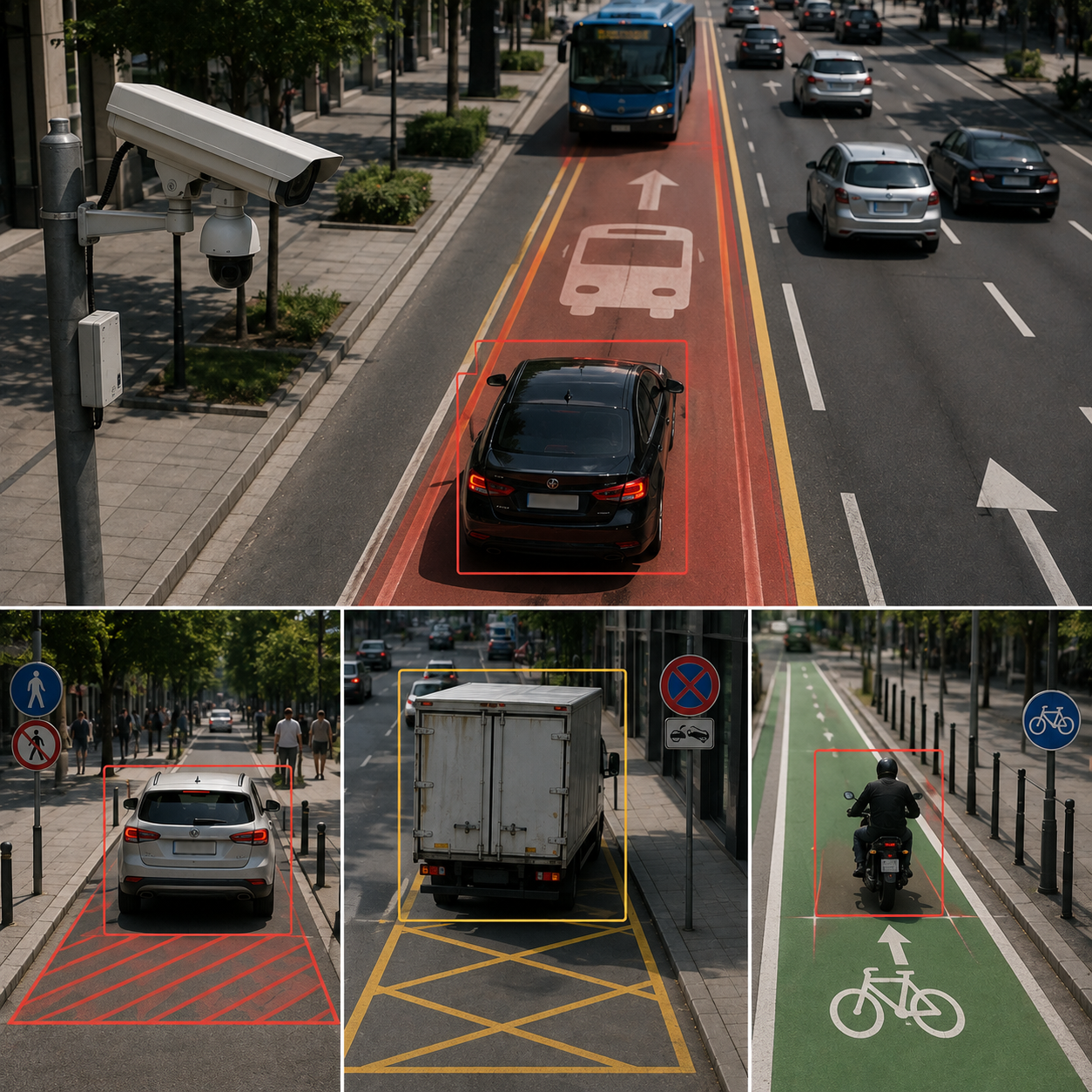
Red-light running, illegal parking blocking a bus lane, a vehicle going the wrong way down a one-way street - most cities still find out about these from a citizen complaint or a crash report. By then, it's already happened. Detection needs to happen at the moment of the act, not in next week's footage review.

Response is slow because ops are scattered across a dozen disconnected systems

Traffic cameras in one system. Transit cameras in another. Police dispatch in a third. When an incident hits, minutes disappear just getting the right feed in front of the right person - and in an emergency, minutes are the whole ballgame.

What We Build

How Easycomm Works for Smart City Infrastructure

One platform, three jobs: watch the streets, catch the violations, run the whole operation from a single dashboard.

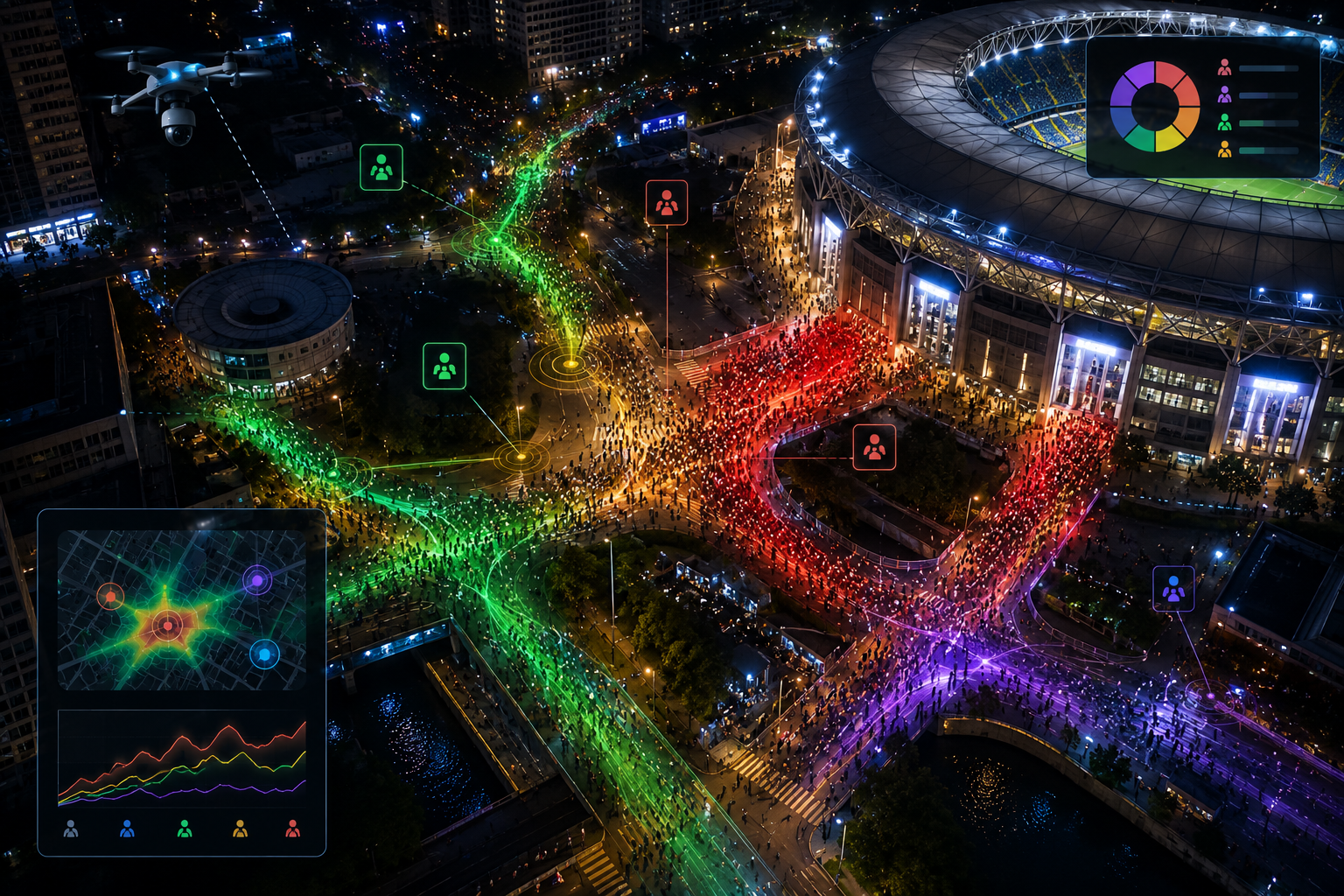
Live crowd density heatmaps

Live crowd density heatmaps

At transit hubs, plazas, and event zones, with automatic threshold alerts before a crowd tips into unsafe territory.

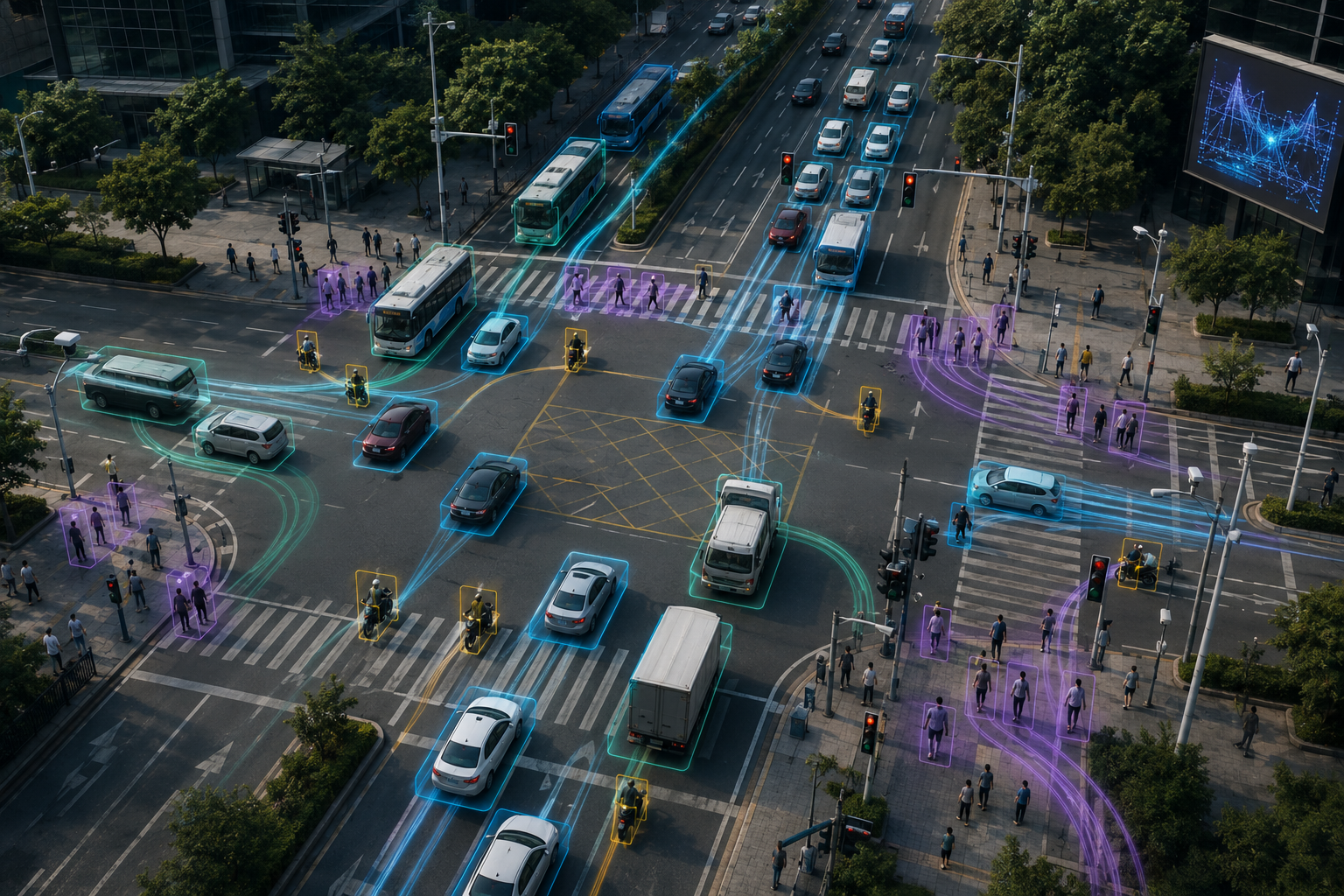
Vehicle and pedestrian flow counting

Vehicle & pedestrian flow counting

At intersections, so traffic ops can see backups building in real time, not after the queue hits a mile.

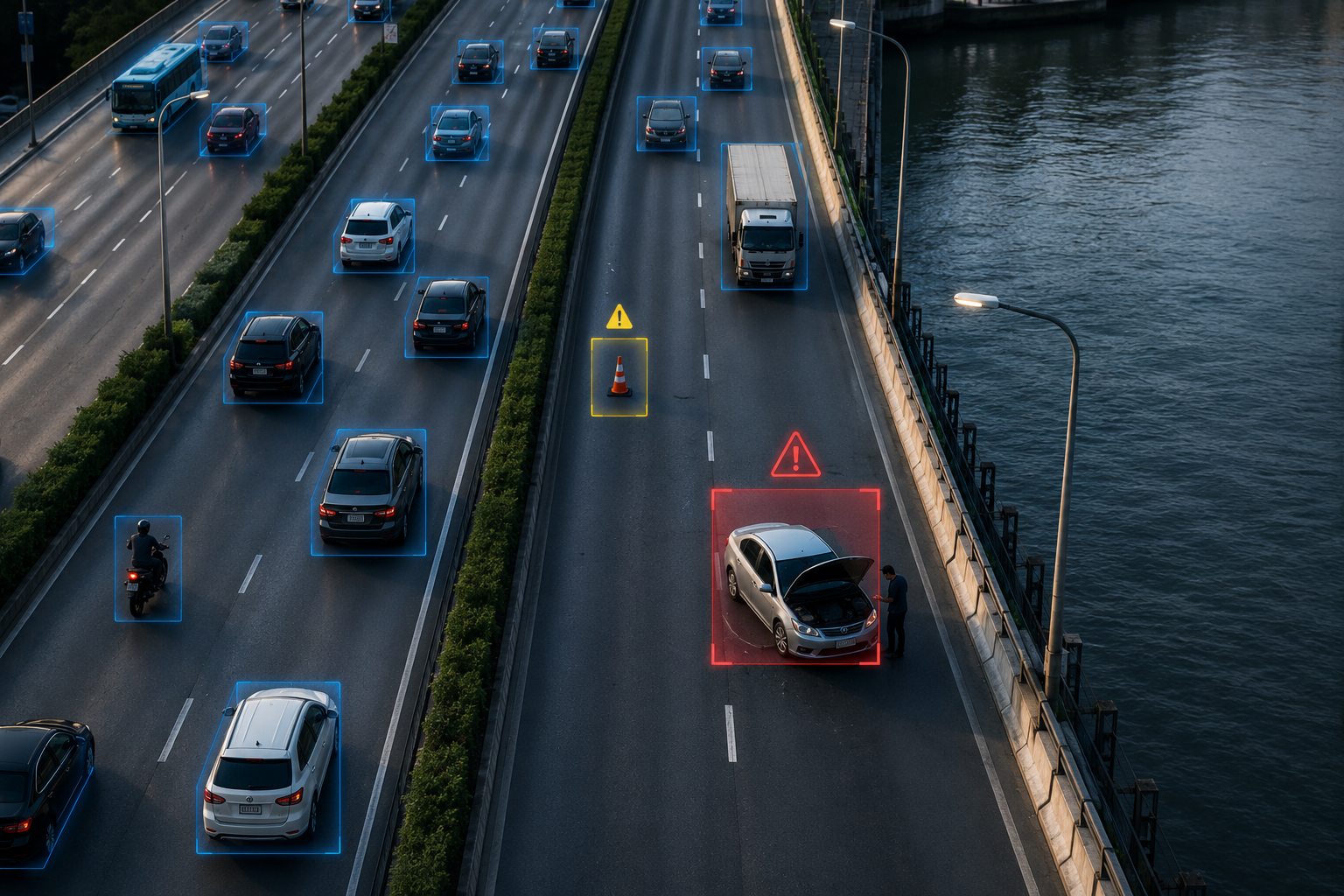
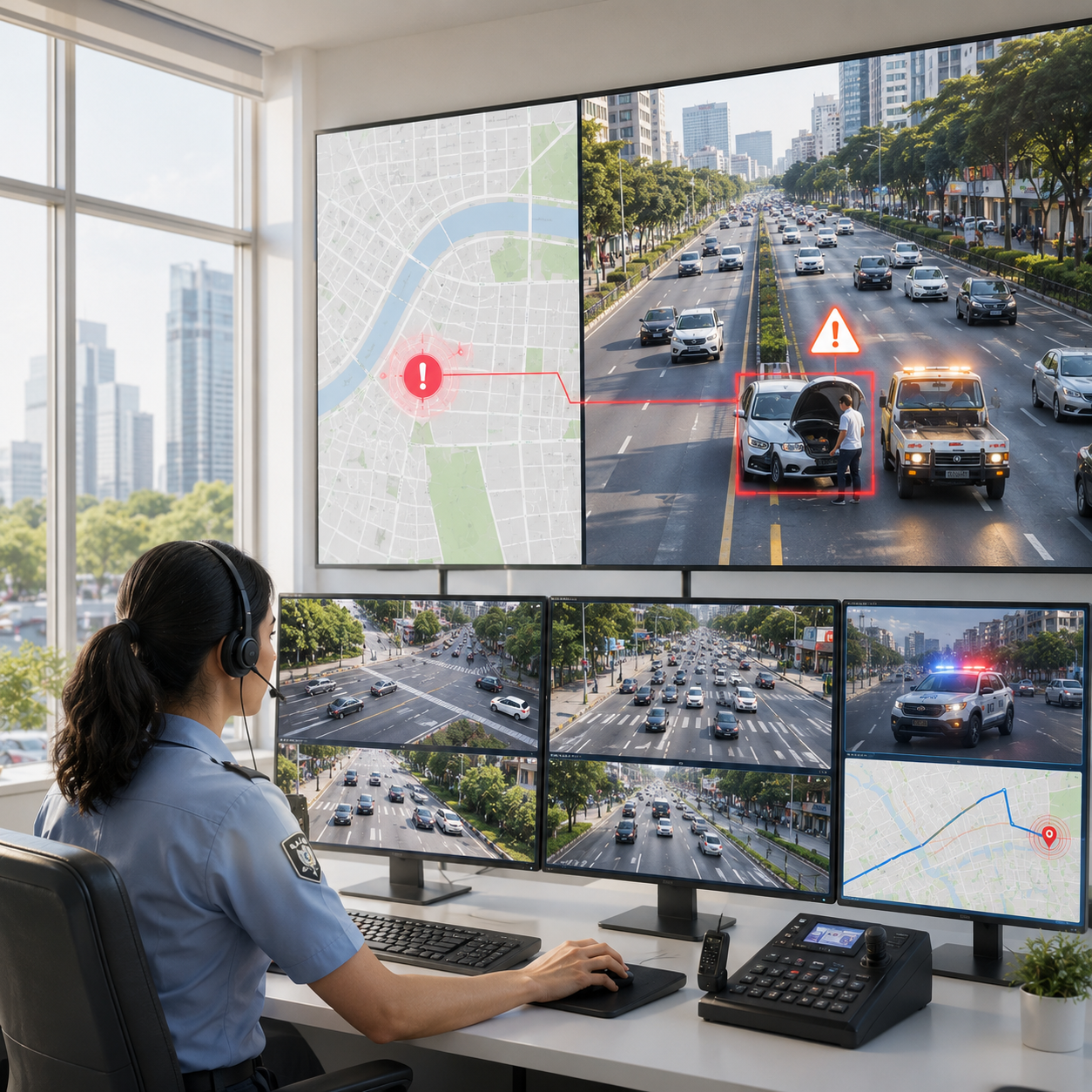
Stalled-vehicle and obstruction detection

Stalled-vehicle and obstruction detection

On arterial roads and bridges, flagged the moment they appear.

Event-day surge monitoring

Event-day surge monitoring

For parades, festivals, and stadium exits - the highest-risk moments for any city calendar.

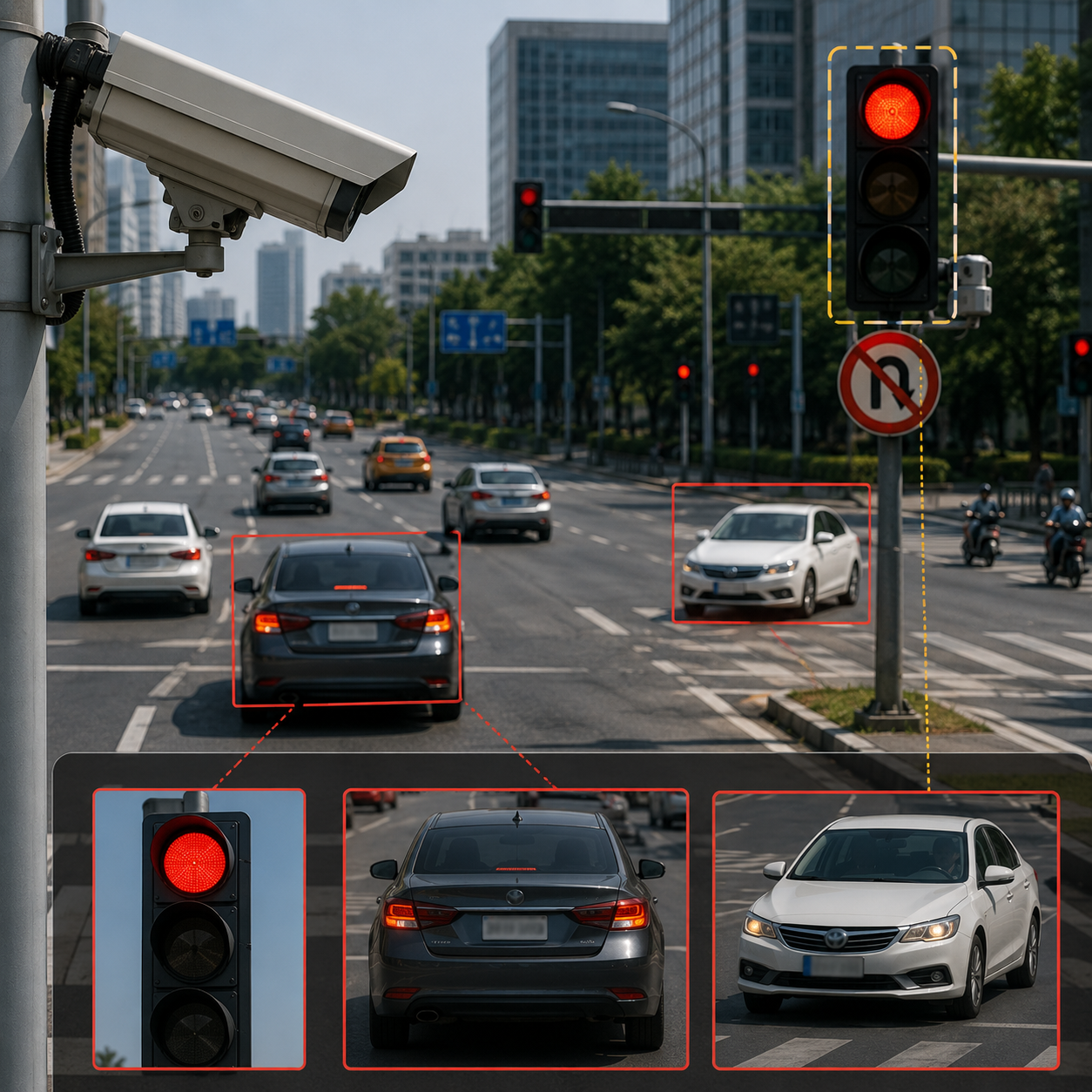
Red-light and wrong-way detection

Red-light & wrong-way detection

Flagged with timestamp and plate for enforcement or evidence.

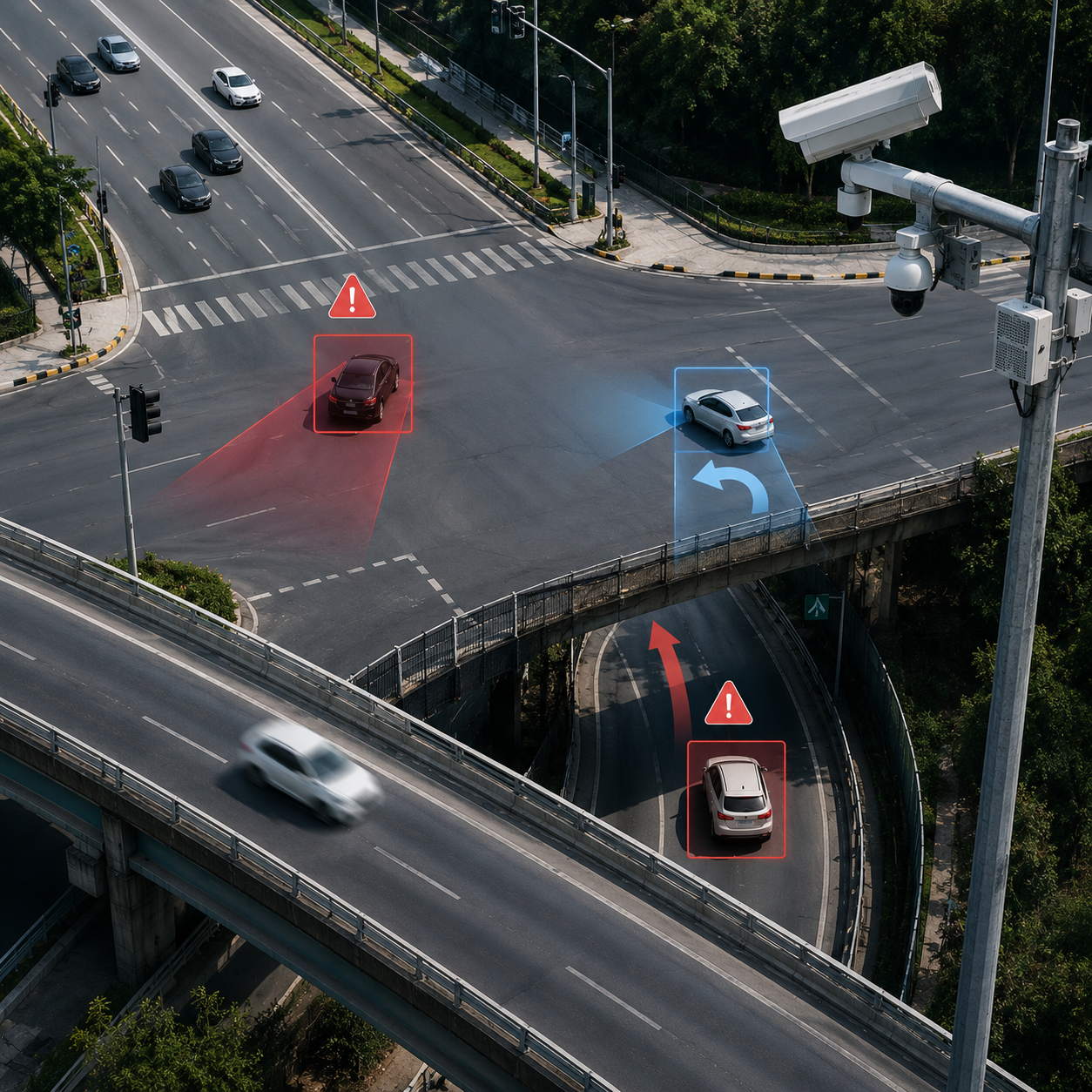
Wrong-way and illegal-turn alerts

Wrong-way and illegal-turn alerts

At intersections and highway ramps, in seconds, not after a near-miss report.

Restricted-zone and bus-lane intrusion detection

Restricted-zone and bus-lane intrusion detection

bike lanes, loading zones, pedestrian-only streets.

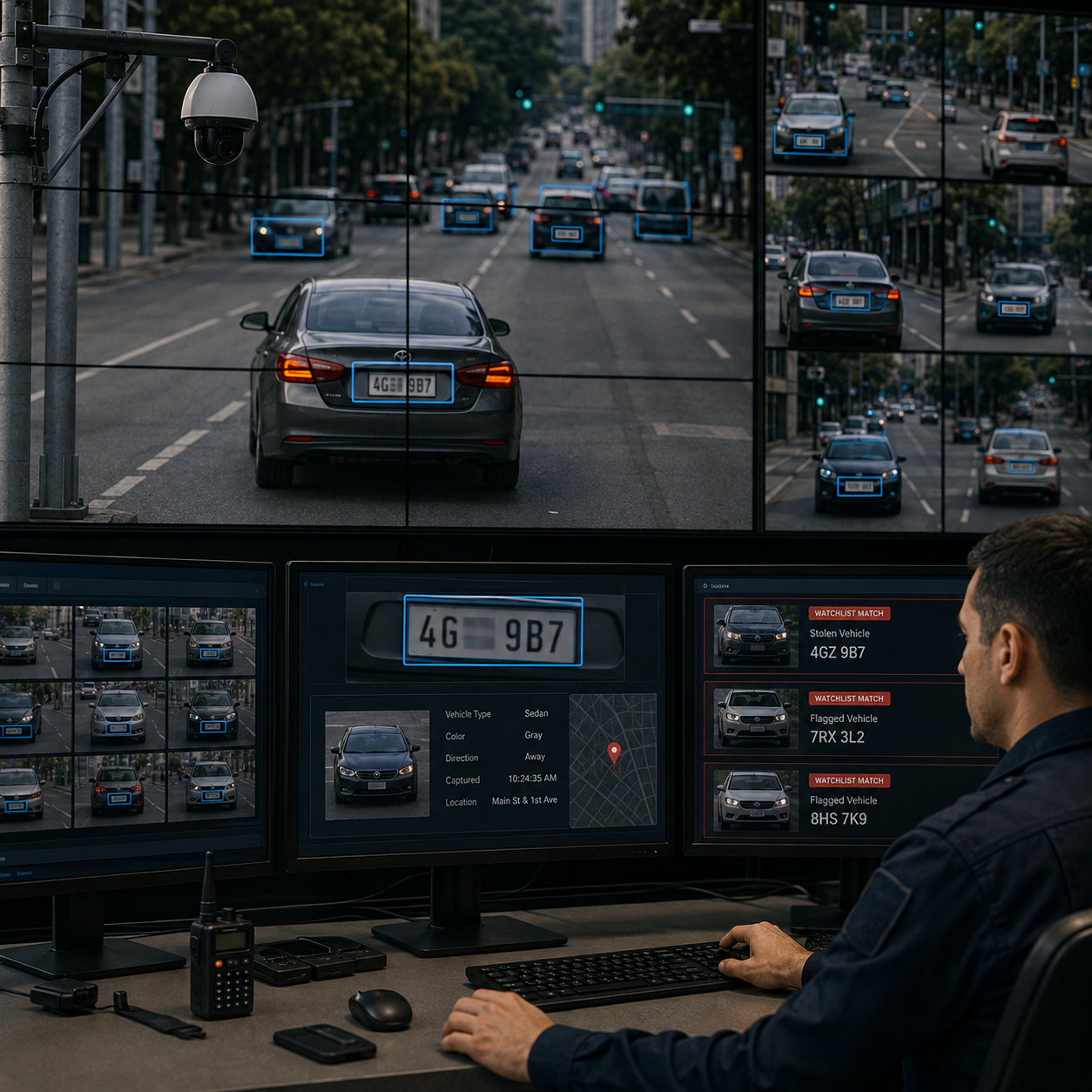
License plate recognition

License plate recognition

with watchlist matching for stolen or flagged vehicles, city-wide.

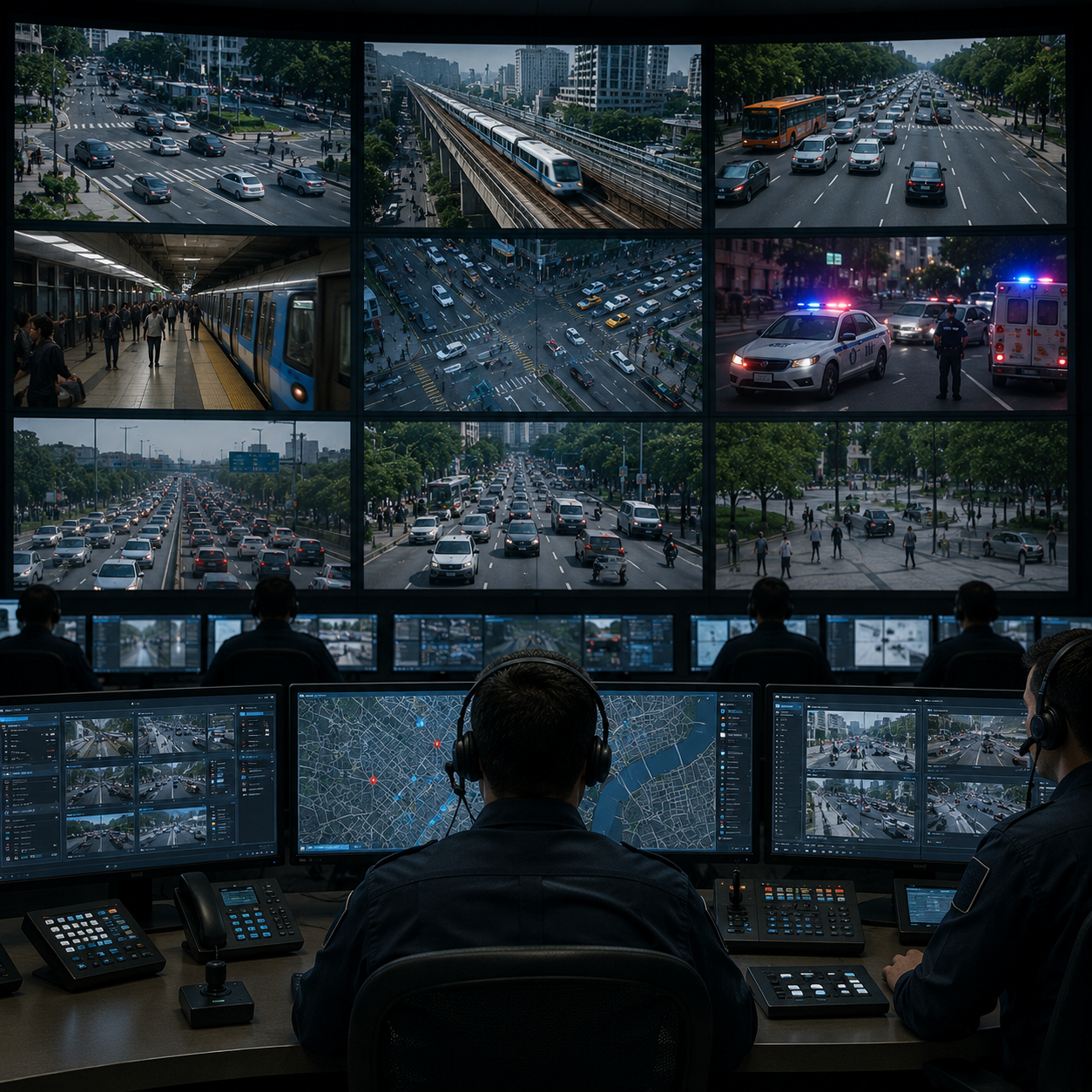
Unified feed across agencies

Unified feed across agencies:

Traffic, transit, and public safety cameras in a single pane, no more jumping between three systems mid-incident.

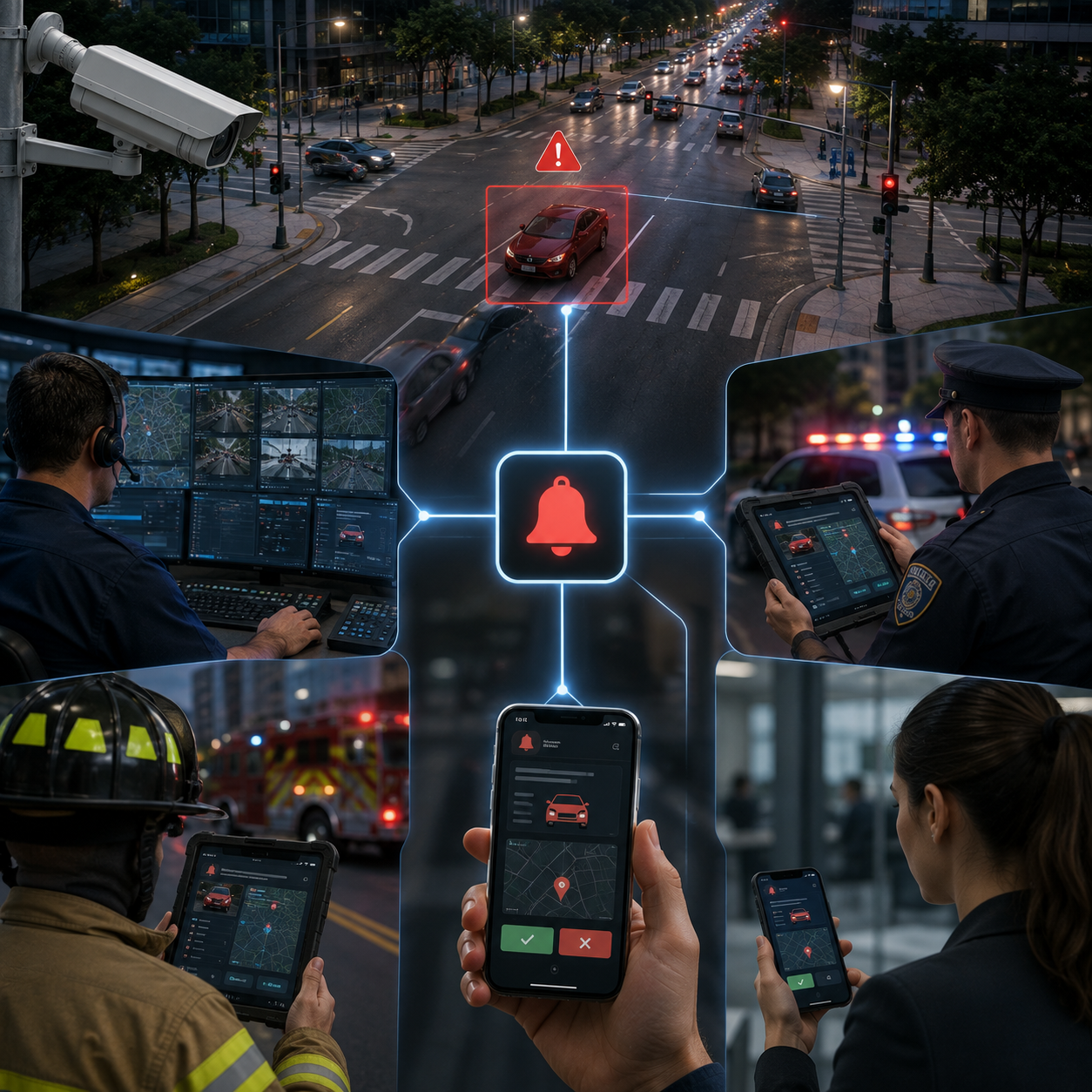
Instant alert routing

Instant alert routing

To the right team, on the device they're actually carrying - patrol tablet, dispatch console, or ops manager's phone.

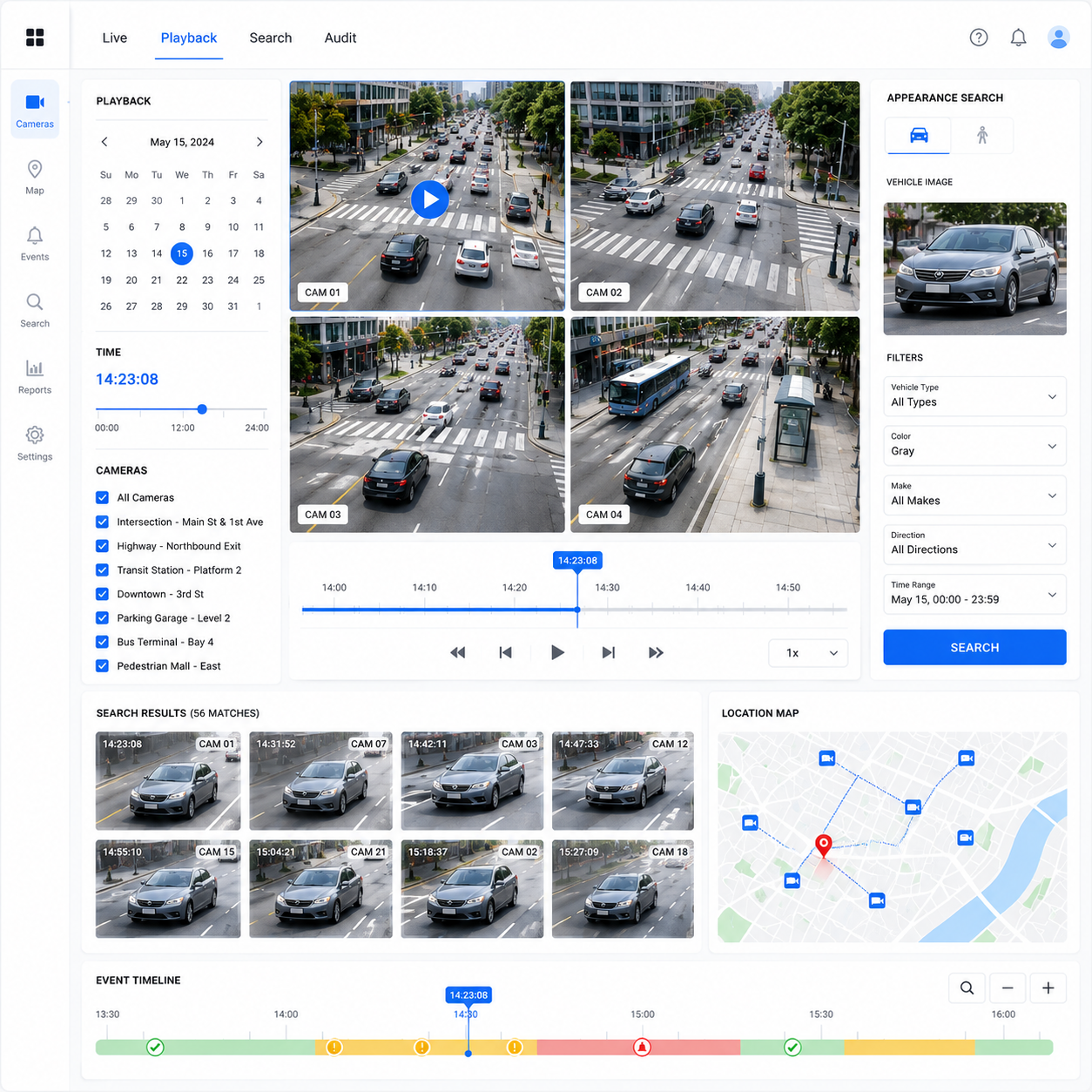
Historical playback and appearance search

Historical playback and appearance search

Across every camera, for post-incident review and audits.

Automated compliance reports

Role-based access

So transit ops, traffic engineering, and police see exactly what they need - nothing more, nothing less.

From Alert to Action, Not Alert to Inbox

From Alert to Action, City-Wide

Detection without dispatch is just a smarter recording. The moment Easycomm flags a crowd surge, a violation, or a stalled vehicle, the clip and location land in front of the right operator - and can push straight into your dispatch workflow. That's the shift from cameras that document incidents to infrastructure that helps prevent them. Faster detection, faster routing, faster boots on the ground.

Easycomm AI flags a floor incident straight to a supervisor's phone

Real Results · Precision Auto Parts

Case Study Midvale County Cuts Downtown Incident Response by 61%

Midvale County DOT (pop. ~310,000) came to us with five major intersections, one transit plaza, and a control room that only found out about incidents when 911 calls came in. We deployed across 68 existing cameras in four weeks — no new poles, no camera swap.

61% Faster incident response

Average time from event to first responder dispatch dropped from 14 minutes to 5.5 minutes.

2.8x More violations caught

In real time versus the prior citizen-report model.

1 Major crowd-crush incident prevented

During a downtown holiday event, flagged 6 minutes before density hit unsafe levels.

Zero New camera hardware purchased

He whole rollout ran on the city's existing infrastructure.

We went from reacting to 911 calls to catching problems on camera before dispatch ever rang," the county's Director of Transportation Operations told us. "That's the difference between managing a city and running one blind.

Why Easycomm

Built for Municipal Reality, Not a Vendor Demo

No forklift upgrade, literally or figuratively. Easycomm layers onto the surveillance infrastructure you've already paid for.

Works with what's already installed

ONVIF-compliant IP cameras, most major brands (Hikvision, Dahua, Axis, Hanwha), and analog-to-IP bridges for legacy poles. Your existing NVR or VMS stays in place - Easycomm layers on top.

Deploys in weeks, not budget cycles

Typical single-corridor rollouts go live in 10–15 business days. Multi-agency, city-wide deployments run 4–8 weeks depending on network readiness.

Built around public accountability.

Retention periods, access permissions, and biometric matching are configurable to your policies, supporting transparency and compliance with GDPR and emerging surveillance regulations.

Plugs into dispatch, not around it.

Open APIs and webhooks connect to CAD/dispatch systems, transit ops software, and public safety alerting tools - so an alert doesn't sit in a separate dashboard nobody checks.

Frequently Asked Questions
Book a consultation

Ready to Build Something That Actually Ships?

Book a Free Consultation →
Almost certainly. Easycomm supports any ONVIF-compliant IP camera and major brands like Hikvision, Dahua, Axis, and Hanwha. Older analog cameras on existing poles can be bridged in via encoders, so most municipalities do not need to replace existing infrastructure to get started.
A single-corridor or single-district pilot typically goes live within 10–15 business days after the site survey. Full multi-agency rollouts across transit, traffic, and public safety cameras generally take 4–8 weeks, depending on network readiness and the number of systems requiring integration.
Video and metadata are processed to support GDPR and comparable regional privacy frameworks. You control retention periods, user access permissions, and can disable biometric matching entirely if required by your city's privacy or public disclosure policies.
Yes. Easycomm connects through open APIs and webhooks to CAD and dispatch platforms, and supports emergency incident data exchange patterns aligned with standards such as NENA's EIDO. This allows alerts to flow directly into existing 911 and dispatch workflows instead of requiring a separate application.
Yes. Easycomm is designed for multi-agency operations. A single dashboard provides visibility across every camera and agency, while role-based access ensures traffic engineering, transit operations, and police departments each see only the information relevant to their responsibilities.

Stop Reviewing City Footage. Start Preventing City Incidents.

Every day your traffic and transit cameras just record is another day your city finds out about problems from a phone call instead of a live alert.

See exactly how Easycomm's smart city infrastructure platform fits your existing cameras, your agencies, and your response times - with a live walkthrough built around your city, not a generic slide deck.

Book a Free Demo Talk to Our Team
Scroll to Top